


Understanding the signs of gambling addiction A guide to recognizing the problem
What is Gambling Addiction?
Gambling addiction, often referred to as compulsive gambling, is a behavioral disorder that leads individuals to engage in gambling activities despite negative consequences. This addiction can develop gradually, starting with harmless betting that escalates into a compulsive need to gamble. The lure of potential winnings, such as in the Aviator game, and the excitement of high-stakes situations can be incredibly appealing, but it often masks a deeper issue of loss of control.
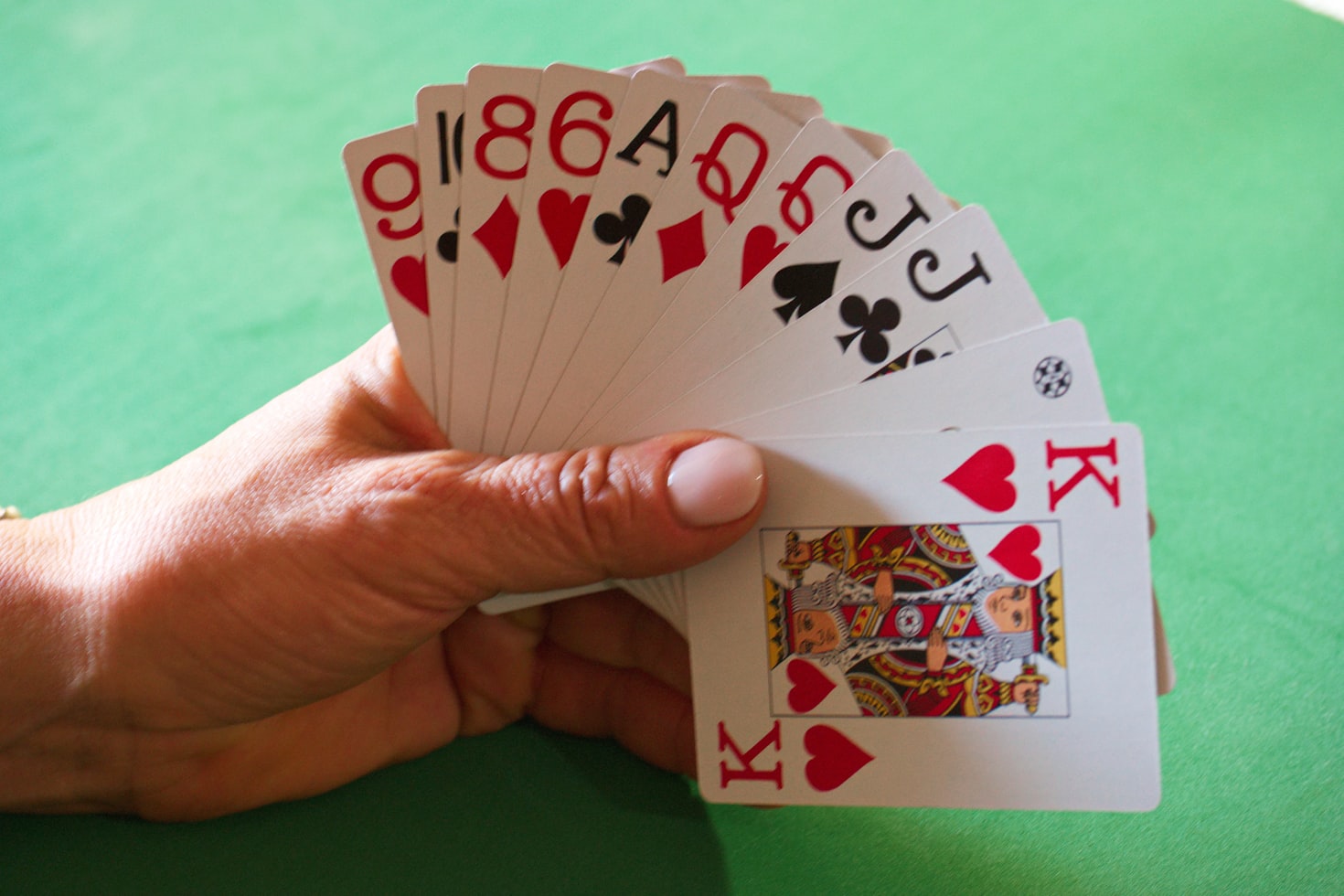
The signs of gambling addiction can be subtle initially, making it difficult for individuals to recognize their behavior as problematic. Many people might dismiss their gambling as a mere hobby or a form of entertainment, but when it becomes a priority over personal relationships and responsibilities, it crosses into the realm of addiction.
Common Signs of Gambling Addiction
One of the most telling signs of gambling addiction is the inability to stop gambling, even when a person desires to quit. Individuals may find themselves spending more money and time on gambling activities, often leading to significant financial losses. They may attempt to chase losses by increasing bets, believing that a big win is just around the corner.
Additionally, people suffering from this addiction often experience emotional distress, including anxiety and depression, when they are unable to gamble. This emotional state can prompt them to gamble more to escape their feelings, creating a vicious cycle that is hard to break.
Impact on Relationships and Daily Life
Gambling addiction does not only affect the individual; it can significantly impact family, friends, and work relationships. As a person becomes more engrossed in gambling, they may neglect responsibilities at home or work, leading to conflicts and strained relationships. Loved ones may notice changes in behavior, including secrecy, irritability, and financial issues.
Moreover, the stress and deception surrounding gambling can lead to isolation, as individuals may withdraw from social interactions to hide their addiction. This withdrawal only exacerbates feelings of loneliness and guilt, further entrenching the addictive behavior.
Seeking Help for Gambling Addiction
Recognizing the signs of gambling addiction is the first step toward seeking help. Many resources are available for those struggling with this condition, including counseling, support groups, and rehabilitation programs. Professional help can provide individuals with the tools and strategies needed to regain control over their lives.
Support from family and friends is also crucial in the recovery process. Open communication and understanding can create a supportive environment that encourages individuals to confront their addiction and work toward recovery. It’s essential to approach the subject with empathy and compassion, as shame and stigma can hinder progress.

About Our Website
Our website aims to provide valuable information and resources for individuals and families affected by gambling addiction. We believe that understanding the signs and symptoms is crucial for early intervention and recovery. By offering insights, guidance, and support, we hope to empower those in need to seek help and reclaim their lives.
We encourage visitors to explore our resources and connect with professionals who can assist in navigating the challenges of gambling addiction. Together, we can foster a community of support and understanding, making strides toward a healthier, addiction-free life.